Updated September 2026 · A neutral buyer's guide
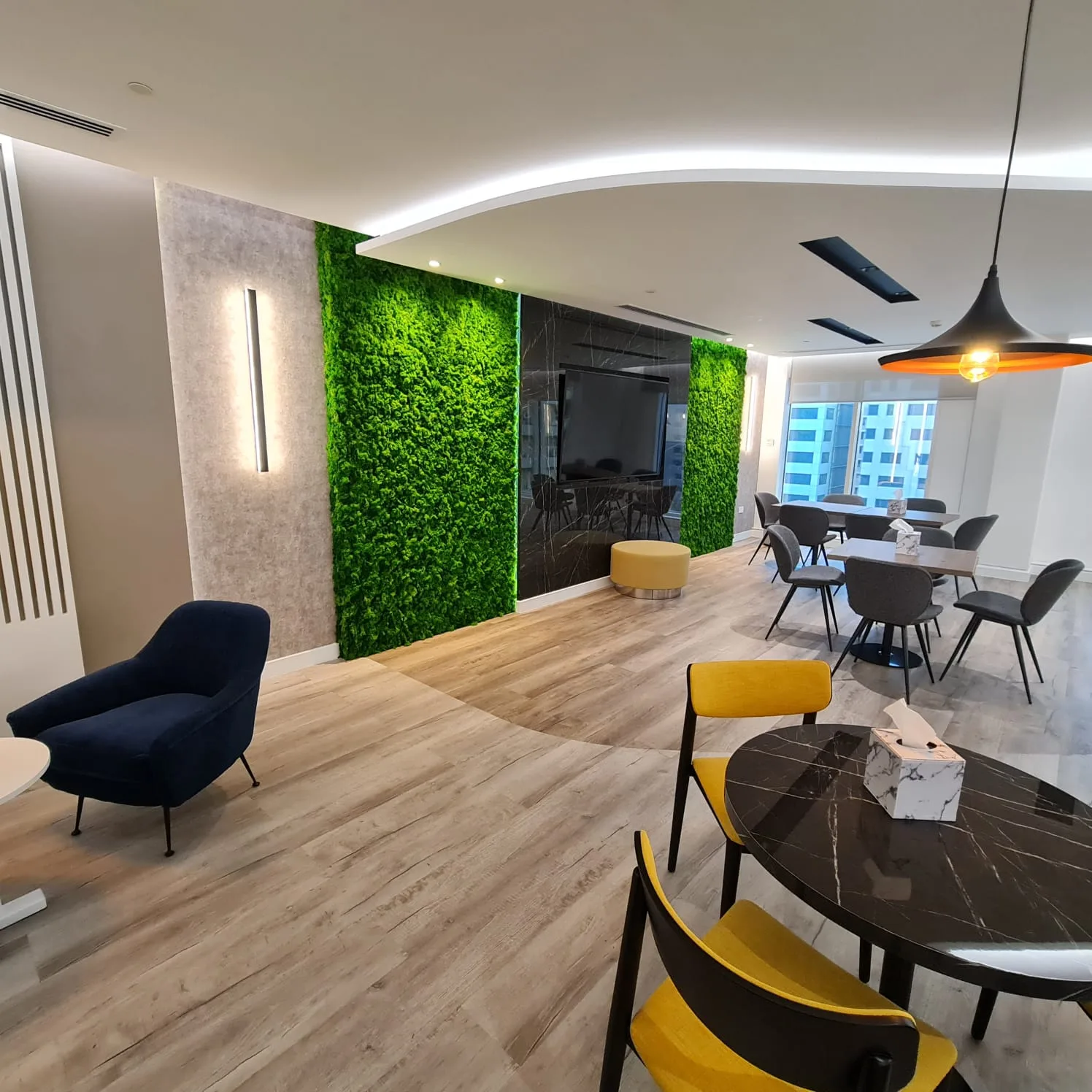
Bespoke joinery is the difference between an interior that looks built-in and one that looks assembled. Fitted wardrobes, cabinetry, reception desks, wall panelling and made-to-measure furniture all come down to how, and where, the joinery is made. This guide explains the materials and finishes, why a real factory matters, what drives cost and quality, and how to choose a joinery manufacturer in Bahrain.
01What counts as custom joinery
Joinery covers everything built from board and timber and finished to order: fitted and walk-in wardrobes, kitchen carcasses, cabinetry and storage, reception and cash desks, wall and ceiling panelling, vanities, and made-to-measure furniture. Because each piece is made for a specific space, the fit, the finish and the hardware are what separate good joinery from poor.
02Materials and finishes explained
- Carcass boards: moisture-resistant MDF and plywood are common; the grade and thickness affect durability, especially in humid conditions.
- Surface finishes: laminate is hard-wearing and cost-effective; veneer gives a natural timber look; lacquer and paint give a premium seamless finish; acrylic gives a high-gloss look.
- Hardware: soft-close hinges and runners, quality handles and lift mechanisms are what make joinery feel expensive and last for years.
Explore fitted wardrobes, architectural millwork and custom furniture.
03Factory-made vs imported vs on-site
Where your joinery is made changes the result:
- Factory-made locally: manufactured to measure in a controlled workshop, with consistent quality, then installed. This is the standard for quality bespoke work.
- Imported flat-pack: cheaper and faster to buy, but sizes are fixed, so it rarely fits awkward or full-height spaces well and quality varies.
- Built on site: flexible but hard to finish to a factory standard, and dusty and slow inside a live space.
A contractor with its own joinery factory, such as Al Hafeed Interior in Salmabad, controls tolerances, finish and lead time in-house.
04What drives cost and quality
Joinery is priced on materials, finish, hardware, the complexity of the design and the amount of bespoke detail. The biggest quality signals are square, consistent joints, flush finishes, quality hardware, and how well the piece fits the space, right into the corners and up to the ceiling. Cheap joinery usually shows first at the hardware and the edges.
05How to choose a joinery manufacturer
Ask whether the company manufactures in its own factory and arrange to visit it. Confirm a verifiable CR, ask to see completed joinery and fitted wardrobes in person, and check the hardware brands and finishes they use. One accountable manufacturer that designs, makes and installs is far easier to hold to a standard than a chain of subcontractors.
How to judge joinery quality
- Ask to visit the factory and see work in progress.
- Check joints are square and finishes are flush and consistent.
- Confirm soft-close, quality hinges, runners and handles.
- Make sure it is made to measure for full-height, corner-to-corner fit.
- Ask for named completed projects you can see in person.
Frequently asked questions
What is the difference between fitted wardrobes and free-standing wardrobes?
Fitted wardrobes are made to measure for a specific wall or room and installed in place, using full-height and awkward space far better than free-standing units, with a built-in look and integrated lighting. Free-standing wardrobes are movable but rarely use the space as efficiently. Made-to-measure fitted wardrobes, manufactured in a factory, generally give the best fit and finish.
Is factory-made joinery better than imported or on-site joinery?
Factory-made joinery, manufactured to measure in a controlled workshop and then installed, generally gives the most consistent quality, the best fit and a more predictable lead time. Imported flat-pack is cheaper but fixed in size and variable in quality, and on-site building is flexible but hard to finish to a factory standard. A contractor with its own factory controls tolerances and finish in-house.
What materials are best for wardrobes and cabinetry in Bahrain?
Moisture-resistant carcass boards suit Bahrain's humidity, with the finish chosen for the look and budget: laminate is hard-wearing and cost-effective, veneer gives a natural timber look, and lacquer or acrylic give a premium finish. Just as important is the hardware, soft-close hinges and runners and quality handles, which is what makes joinery feel expensive and last.
Why does it matter if a company has its own joinery factory?
A company that manufactures in its own factory controls quality, tolerances, finishes and lead times directly, instead of depending on outside workshops, and gives you a single point of accountability from design to installation. Al Hafeed Interior runs its own joinery factory in Salmabad, which is why it can hold quality and timelines in-house across wardrobes, cabinetry and millwork.
Can you match joinery to an existing interior or a specific design?
Yes. Custom joinery is made to measure to a specific design, so finishes, colours, hardware and dimensions can be matched to an existing interior or a designer's specification. Manufacturing in-house makes this matching more reliable, because the same company controls the materials and the finish from start to finish.
Need bespoke joinery or fitted wardrobes?
Al Hafeed Interior designs, manufactures and installs custom joinery, fitted wardrobes, cabinetry and furniture from its own factory in Salmabad, Bahrain, established in 2003. Tell us what you need and we will prepare a detailed, fixed-price proposal, with no obligation.